TV’s Steamy Comeback: How Bridgerton and Heated Rivalry Rekindled Romance on Screen
- Feb 27
- 3 min read
27 February 2026
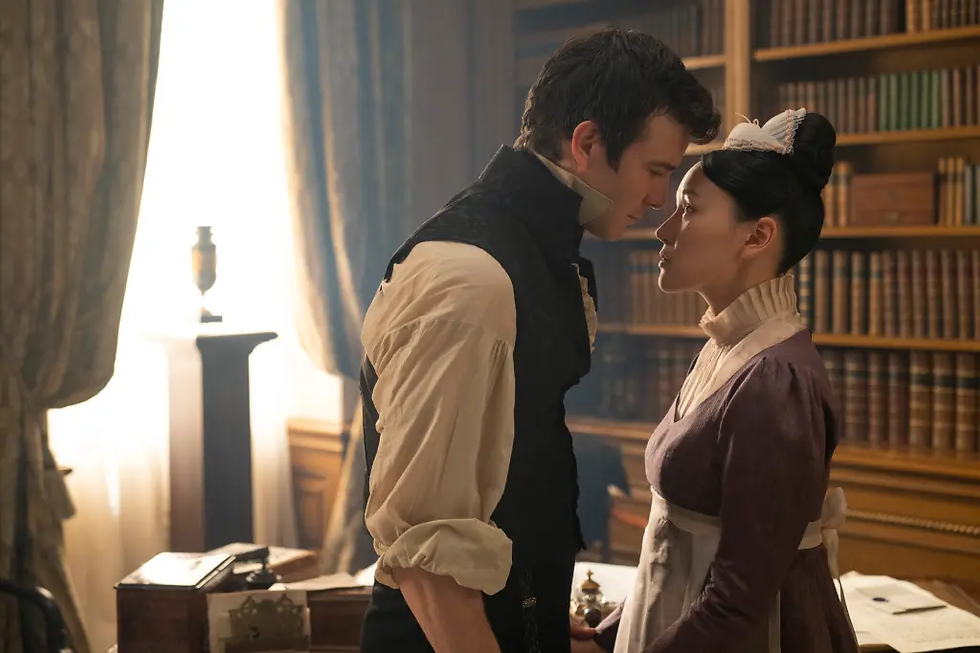
For several years, conversations about television trends suggested that romance and sexuality were quietly fading from mainstream entertainment. Industry observers pointed to the growing influence of Gen Z audiences, many of whom expressed a preference for stories focused on friendship, identity and emotional connection rather than explicit intimacy. Yet in a surprising turn, two popular series have reignited interest in passionate storytelling. With the return of Bridgerton and the breakout success of the Canadian drama Heated Rivalry, television appears to be rediscovering its appetite for romance and sensuality.
The shift follows a widely discussed study published in 2023 that surveyed young viewers about their entertainment preferences. The results suggested that more than half of Gen Z respondents wanted less sex in movies and television and more platonic relationships between characters. The study quickly became a talking point across the entertainment industry, prompting speculation that explicit storytelling might become less common in mainstream media.
For a time, that prediction seemed accurate. The past decade of blockbuster filmmaking and television programming was largely dominated by superhero stories and action driven spectacles. These productions emphasized visual effects, large scale battles and dramatic adventures rather than romantic tension. A viral essay about modern superhero movies even joked that “everyone is beautiful and no one is horny,” capturing the idea that desire had largely disappeared from mainstream storytelling.
However, the landscape has begun to change again. The Netflix period drama Bridgerton has long been known for its glamorous costumes and elaborate Regency era romances, but its newest season has pushed emotional and physical intimacy further into the spotlight. Scenes exploring relationships and personal vulnerability have become central to the show’s storytelling, reminding audiences that desire and romance can still play powerful roles in character development.
At the same time, another series has captured viewers’ attention for its bold approach to relationships. The Canadian drama Heated Rivalry tells the story of two professional hockey players whose fierce competition on the ice evolves into a secret romantic relationship. The show quickly became a sensation when it debuted on HBO Max, surpassing ten million viewers and becoming the platform’s most watched acquired scripted series.
Much of the discussion surrounding these series focuses not just on the presence of intimate scenes but on how those moments are portrayed. In recent years the television industry has increasingly relied on intimacy coordinators who help choreograph scenes involving physical relationships. Their role is to ensure that actors feel safe and respected while filming moments that require vulnerability.
Vanessa Coffey, an intimacy coordinator who has worked on productions including Outlander and House of the Dragon, believes that this evolving approach has helped change the way audiences view intimacy on screen. When actors feel secure and the storytelling remains authentic, she says, viewers are more willing to engage with emotionally and physically complex scenes.
Another coordinator, Brooke Haney, has observed similar shifts in audience expectations. She previously taught acting students from Gen Z and noticed that many of them were not opposed to romance or sexuality in storytelling. Instead, they were frustrated by portrayals that felt exaggerated or unrealistic. What they wanted, she explained, was authenticity rather than sensationalism.
That desire for authenticity appears to be part of the reason shows like Heated Rivalry and Bridgerton resonate with audiences. Rather than presenting intimacy as a purely sensational spectacle, these series weave it into character arcs and emotional narratives. The result is storytelling that feels more personal and believable while still delivering the drama viewers expect.
The cultural shift is not limited to television. Recent films such as Sinners starring Michael B. Jordan and the romantic drama Wuthering Heights have also drawn attention for embracing passion and desire as central themes. Both movies performed strongly at the global box office, suggesting that audiences remain eager for stories driven by human connection.
For television creators, the renewed interest in romance offers fresh creative possibilities. Shows can explore relationships with greater nuance, presenting love, attraction and vulnerability as complex parts of the human experience rather than simple plot devices. In a media environment often dominated by spectacle, that return to emotional storytelling may feel refreshing.
Ultimately the success of Bridgerton and Heated Rivalry suggests that the conversation about intimacy in entertainment was never as simple as it first appeared. Audiences were not necessarily rejecting romance altogether. Instead, they were asking for stories that felt genuine and meaningful rather than superficial.
As television continues to evolve, it seems clear that passion and connection still have an important place on screen. The difference now is that viewers expect those stories to be honest, thoughtful and rooted in authentic emotion. When they are, audiences appear more than willing to embrace a little spice in their favorite shows once again.


Comments