Rush Hour 4 Revived After Donald Trump Pushes for Comeback
- Nov 25, 2025
- 2 min read
Updated: Nov 28, 2025
25 November 2025
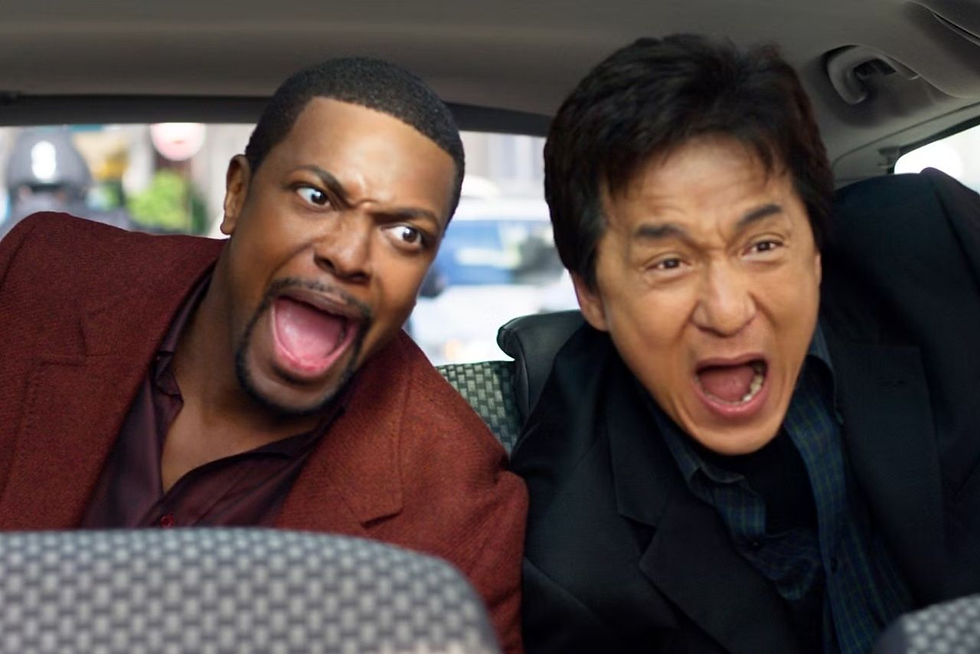
A fourth instalment of the once-beloved “Rush Hour” film series is officially in the works after years of stalled negotiations, reportedly following pressure from former President Donald Trump on the studio leadership at Paramount Skydance.
The proposed sequel would again bring together the original stars ,Jackie Chan and Chris Tucker and return behind the camera would be Brett Ratner, who directed the first three “Rush Hour” films.
This decision comes after repeated attempts to revive the franchise over the years fell through, largely because of Ratner’s tarnished reputation following multiple sexual-misconduct allegations in 2017. Many studios had previously declined to associate themselves with his comeback.
According to reports, Trump personally intervened reportedly reaching out to long-time ally and Paramount-Skydance majority shareholder Larry Ellison to push the studio into green-lighting the film. Under the new arrangement Paramount Skydance will handle distribution, with financing coming from outside producers.
The “Rush Hour” franchise — a blend of buddy-cop action, comedy and martial-arts flair — was a major commercial success in its time. The first three films grossed more than US$850 million worldwide and earned a devoted global fanbase.
For many industry observers, the revival marks a broader effort to resurrect a certain style of cinematic nostalgia: loud buddy comedies, high-octane action sequences and cross-cultural hijinks. The move appears to align with a stated preference from political and media circles seeking a return to “classic,” rugged Hollywood entertainment.
Still, the decision is controversial. Ratner’s past misconduct allegations and the moral questions around his return remain a concern for critics and parts of the industry. Some argue that reviving the film under his direction despite the backlash he once faced sends the wrong message.
Above all, many are asking whether audiences actually want “Rush Hour 4.” The buddy-cop/action-comedy blend that once dominated box offices may not resonate in a post-#MeToo, streaming-driven entertainment environment. Others point out that the style of humor and stereotypes inherent in the original films feel dated to a new generation.
As the project moves forward, several factors remain uncertain: whether Chan and Tucker will fully commit, how the story will be updated for modern audiences, and how the public will react to Ratner’s involvement.
What is clear is the symbolic weight behind the revival. “Rush Hour 4” is now less a simple sequel and more a flashpoint, demonstrating how power, nostalgia and cultural priorities can influence film production in unexpected ways.


Comments