Michael Jackson’s Comeback Is Under Way but Can the King of Pop’s Legacy Withstand the Controversy?
- Nov 16, 2025
- 3 min read
16 November 2025
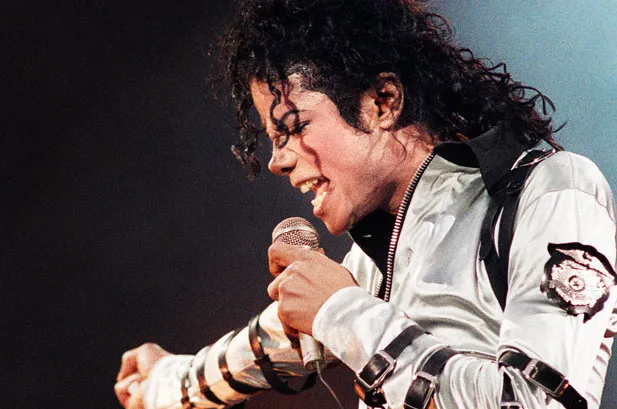
A resurgence of interest is sweeping through the music world as the legacy of Michael Jackson returns in force. His classic track “Thriller” has re-entered the Billboard Top 10, giving Jackson the remarkable achievement of having a hit across six decades. Meanwhile, the trailer for his upcoming biopic, titled Michael and starring his nephew Jaafar Jackson, shattered records with 116 million views in just 24 hours.
The film is being positioned as a major cultural event yet it arrives at a fraught moment—just six years after the release of Leaving Neverland, which reignited public debate over the singer’s alleged abuses of minors.
There is no denying Jackson’s musical influence. From his early days in the Jackson Five to sell-out stadium tours and an unmatched catalogue of hits, his artistry transformed pop. Those strengths are a central reason industry insiders still believe the biopic will perform strongly. According to entertainment academic Dan Green, “I would not want to bet against people’s love of Michael Jackson.” For his estate, led by co-executors John Branca and John McClain, the film is both a revival of cultural relevance and a way to pass his legacy to younger generations.
Yet the shadows are unmistakable. Jackson was acquitted of criminal child-molestation charges in 2005 but allegations persisted, were documented in the 2019 documentary Leaving Neverland, and remain publicly resonant. As the new biopic comes into view, one of the pressing questions is how or whether the film will address these allegations. According to The Guardian, it remains uncertain how the filmmakers plan to treat those darkest chapters of Jackson’s story.
The film itself is a high-stakes production. Budgeted at around $150 million and helmed by the Oscar-winning director Antoine Fuqua, Michael is built to be more than a straightforward “greatest hits” movie. It seeks to trace Jackson’s evolution from Jackson Five prodigy to global superstar and cultural icon. Producer Graham King, famed for the Queen biopic Bohemian Rhapsody, told CinemaCon that the project aims to deliver “a film like they’ve never seen before.” But even the production has encountered legal friction: one part of the film was reportedly reshot after a legal agreement related to a 1994 settlement with accuser Jordan Chandler made certain scenes unusable.
This tension points to a larger question: is the world ready to revisit Jackson’s story through a polished Hollywood lens? On one side is a passionate fanbase that still organizes flash mobs and purchases his music in droves. On the other is a critical public discourse around his alleged wrongdoings and how they should influence how we interpret his work. The Guardian argues that the film’s success will depend less on box-office numbers and more on how effectively it navigates that duality.
For the Jackson estate the challenge is part legacy-management, part risk mitigation. Legacy consultant Jeff Jampol, who works with rock icons like Janis Joplin and Jim Morrison, described a biopic as “the best possible vehicle” for reviving an artist’s presence—so long as the story taps the culture of a younger generation. He argues that even a financially under-performing film holds value if it maintains relevance in cultural memory.
Meanwhile Jackson’s sudden appearance back in the charts reflects both nostalgia and commercial power. The presence of his music in current playlists suggests a resilience rarely seen. It also raises ethical questions. What happens when the music of an artist tangled in scandal is celebrated uncritically? Can audiences separate the legacy of creativity from the legacy of alleged harm? Critics say that debate is unavoidable and essential.
In that sense the upcoming premiere of Michael will act as a cultural litmus test. It will likely not satisfy all audiences some will view it as celebratory, others as deliberately deflective. Its reception may signal how much the music industry and the public are willing to compartmentalize talent and transgression. The film’s approach to Jackson’s controversies could influence future biographies of artists with complex legacies.
The moment prompts reflection on the role of art, memory and justice. Jackson’s music changed pop forever but the allegations against him continue to polarize. A biopic, by its nature, shapes narrative, compresses time and simplifies complexity. The real test for Michael will be whether it treats Jackson’s story with the complexity it demands or whether it offers a sanitized version aimed at spectacle.
As the release date approaches, that question hangs heavy. The King of Pop appears poised for return; the biopic is high-profile and carefully positioned. But the legacy remains contested, the allegations unresolved in public perception and creative media space. For audiences the choice is theirs: celebrate the music, question the myth or demand both.


Comments