Connie Francis Leaves Behind Timeless Voice and Trailblazing Legacy at 87
- Jul 17, 2025
- 3 min read
17 July 2025
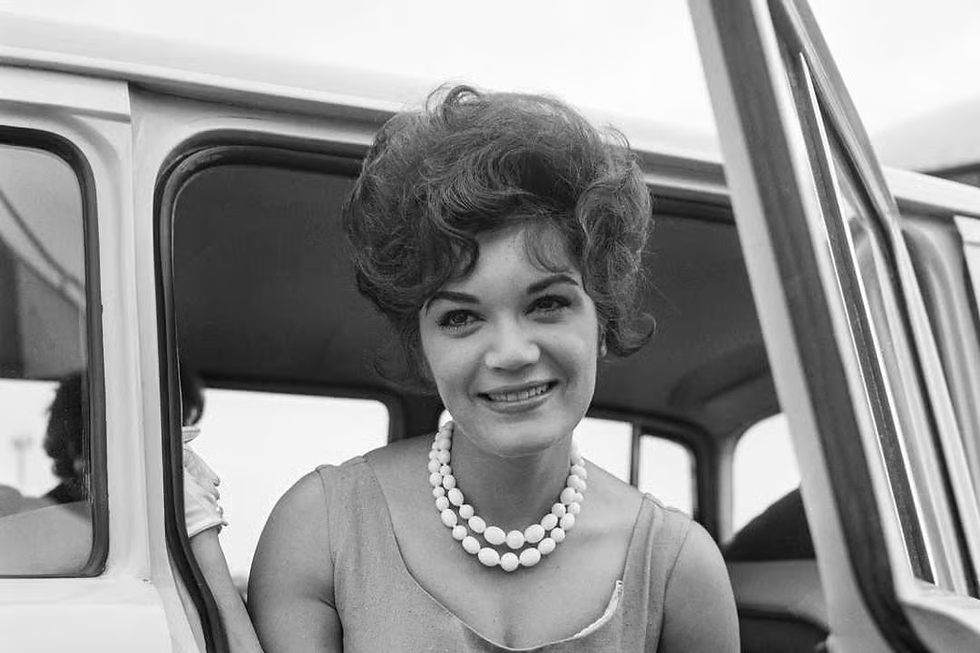
Connie Francis, a magnetic figure of mid-20th-century pop whose rich voice and relatable charm resonated through classics like Who’s Sorry Now? and Pretty Little Baby, passed away on July 16 at 87, her departure quietly confirmed by longtime friend Ron Roberts, president of Concetta Records, via Facebook. Just two weeks earlier she had been hospitalized with “extreme pain,” a recurrence of a pelvic condition that led to intensive care before she briefly regained strength, expressing gratitude to fans and hopefulness about a recovery only to succumb days later.
Born Concetta Franconero in Newark, New Jersey in 1937, Francis emerged as a powerhouse during the late 1950s and early 1960s, selling an estimated 200 million records worldwide an astonishing accomplishment in a time before digital music. In 1960 she became the first solo female artist to top the Billboard Hot 100 with Everybody’s Somebody’s Fool, breaking new ground for women in popular music and securing her place in the annals of music history.
Her ascent was sudden. A cover of Who’s Sorry Now? a showstopper on American Bandstand catapulted her to stardom, followed by a string of hits including Stupid Cupid, Lipstick on Your Collar, and Where the Boys Are. She became one of the era’s most charted female artists, earning her a reputation as the voice of an era.
Francis' landmark was not only musical. She also played leading roles in films like Where the Boys Are, becoming a crossover star admired for both her vocal gift and relatable authenticity. Her Italian-American identity and fluency in multiple languages led to international appeal, cemented by her recording successes in Germany, Italy, and beyond.
Beyond her professional triumphs, Francis lived a life marked by courage. She endured personal adversity from a brutal sexual assault in 1974 to a prolonged battle with mental health and a tragic family history that included her brother’s murder. She transformed pain into purpose, using her platform to support rape survivors and mental health awareness in partnership with organizations like Mental Health America.
In an unexpected resurgence, Francis’s 1962 B‑side Pretty Little Baby went viral on TikTok this spring, reaching the Spotify top five in both the U.S. and the U.K. with over 74 million streams an extraordinary revival for a recording more than six decades old. She marveled at this late-career boom, confessing she had forgotten the song until it reappeared on her radar, an example of her remaining delight in public connection.
Her final days were shaped by resilience. She briefly left the hospital near Independence Day, hopeful about recovery but ultimately hindered by complications linked to her earlier hip injury. Before she passed, she reflected on her legacy and expressed willingness to let fans know she did her best, a fitting farewell from someone who defined a generation with sincerity and strength .
Francis's contribution to music continues to resonate. With 15 top‑10 Billboard hits, including three number‑ones, she blazed a trail for female artists who followed. Her ability to perform across genres, rock, country, jazz and her fluency in several languages marked her as a global entertainer, not just a national icon .
She was more than a voice; she was a survivor, an advocate, and a pioneer. Her willingness to share personal scars, support other survivors, and address taboo subjects like assault and mental health added lasting depth to her public persona. Her journey, marked by triumph and tragedy, underscored a life defined by transformation and tenacity.
As fans and peers reflect on her life, tributes highlight her as a performer who remained elegant yet powerful, both on accordion-laden ballads and spirited rock numbers. Her legacy lives on in revived streaming figures, social media appreciation, and continued inspiration for artists and survivors alike.
Connie Francis leaves behind a son, a legacy of song, and an example of resilience in the face of adversity. In a career that spanned decades and genres, she never stopped moving audiences whether with youthful energy or mature reflection. As the world mourns, Francis's voice remains unmistakable: matter-of-fact, heartfelt, and eternally resonant.


Comments