Bronx Museum Taps Shamim M. Momin as Visionary Director Amid Major Expansion
- Jul 14, 2025
- 3 min read
14 July 2025
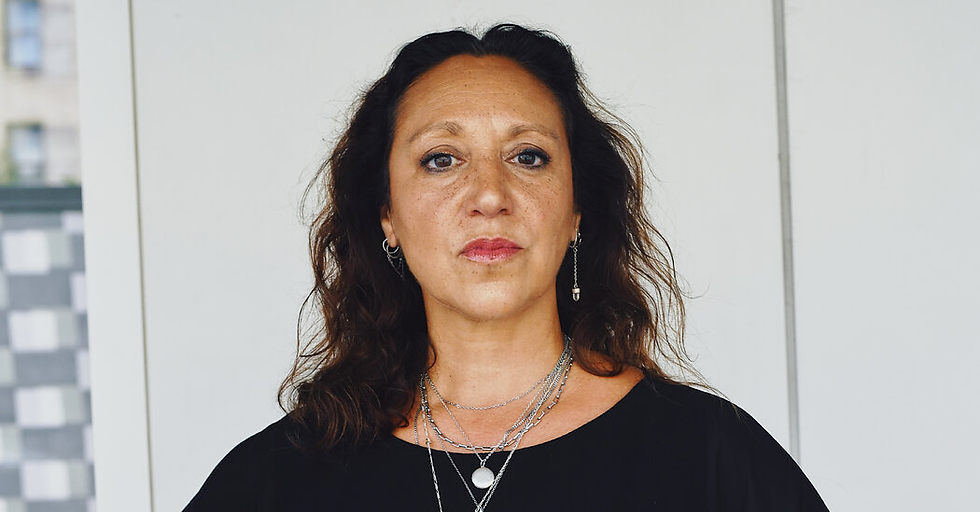
A wave of anticipation swept through the Bronx art scene on July 11 when the Bronx Museum of the Arts confirmed that Shamim M. Momin will become its new director and chief curator this September, ushering in a pivotal era as the institution embarks on a $42.9 million renovation of its South Wing. Momin brings to this role a rare blend of institutional expertise alongside a reputation for pushing the boundaries of public and social practice in art. Born in Manhattan to immigrant parents from India and France, she cut her teeth during a twelve-year tenure at the Whitney Museum of American Art, where she shaped major exhibitions, including the 2004 and 2008 Whitney Biennials.
She also spent six transformative years at Seattle’s Henry Art Gallery as director of curatorial affairs, where she staged ambitious, discreet showcases such as In Plain Sight while also commissioning celebrated artists like Diana Al‑Hadid and Hank Willis Thomas. Alongside her gallery work, Momin co‑founded the Los Angeles Nomadic Division (LAND), dedicating years to activating public space and commissioning more than 100 projects with some 300 artists.
The museum’s board chair, Joseph Mizzi, praised Momin for embodying the Bronx Museum’s legacy of elevating underrepresented voices, expressing confidence that her collaborative and activist instincts would steer the institution into its next chapter. Momin, for her part, has echoed this conviction, citing her excitement to work with local communities and build outreach that resonates with diverse constituencies.
This leadership change coincides with a sweeping architectural transformation to the museum’s South Wing, anchored by a brand‑new multi‑story lobby and expanded gallery spaces fronting the Grand Concourse. Marvel Architects’ redesign, public‑funded and set to debut in 2026, will redefine the museum’s entry and exhibition experience. Momin inherits a striking balance between structural growth and mission‑driven programming, a challenge she appears eager to embrace.
Her appointment also arrives against a backdrop of political shifts in arts funding. Earlier this year, National Endowment for the Arts support for Bronx Museum education initiatives was rescinded, a decision later reversed due to the museum’s inclusion in New York’s Cultural Institutions Group. Momin has signaled that while this moment presents challenges, it also creates opportunity to affirm the institution’s civic roots and reinforce its role as a community partner.
Every facet of Momin’s career evidences an ability to straddle platforms. At the Whitney she worked as both an associate curator and Altria branch director, commissioning works by emerging artists. Through LAND, she enabled public‑site interventions; in Seattle she blended scholarly rigor with experimental exhibitions. Together, these experiences position her to helm a museum simultaneously anchored in Bronx soil and conversant with global dialogues.
Her arrival sparks speculation and hope among artists, educators, and audience members alike, who anticipate new programming that includes public art projects, site‑responsive installations, and educational efforts embedded in local schools. Already, the museum continues its summer lineup in the North Wing with shows like Working Knowledge: Shared Imaginings, New Futures and an upcoming career‑retrospective survey of sculptor Reverend. With Momin at the helm, many expect these exhibitions to deepen their community ties.
As the renovation progresses, all eyes will remain on how she weaves expanded space into expanded impact. Critics and museumgoers alike will be watching to see how this once‑modest institution redefines itself under charismatic leadership. With Momin poised to take charge, the Bronx Museum appears ready to do more than rebuild its physical presence, it is preparing to reimagine contemporary art’s role in a rapidly changing borough.


Comments