Big Car’s Tube Factory Evolves into Indianapolis’s Premier Hub for Contemporary Art
- Jun 18, 2025
- 3 min read
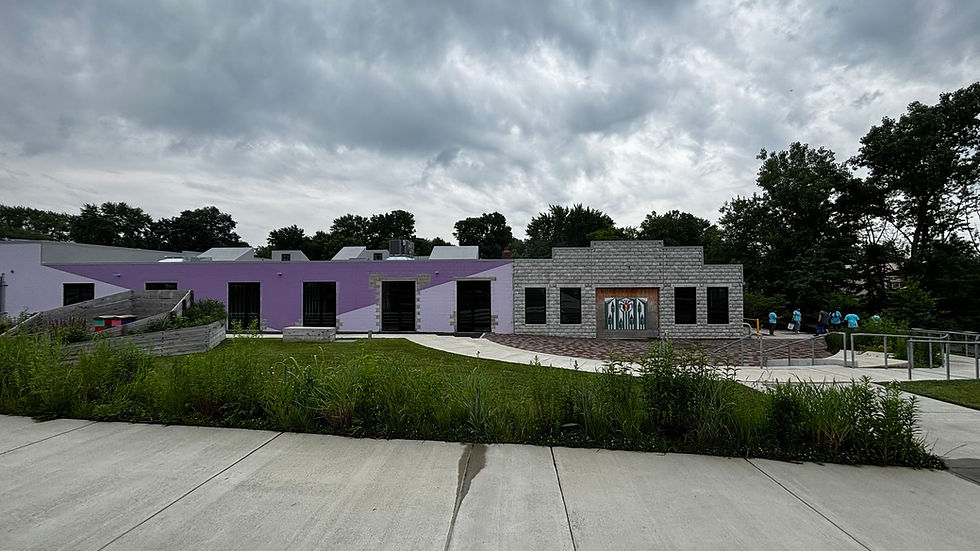
Indianapolis is on the brink of a cultural renaissance with the transformation of a sprawling, 40,000-square-foot former warehouse on the Tube Factory campus into a dynamic contemporary art museum. Spearheaded by the nonprofit Big Car Collaborative, the project is set to double the city’s current museum space for modern art and signal a bold reawakening of artistic ambition in a city still recovering from the pandemic’s cultural closures.
This new museum marks the city’s first dedicated contemporary art venue since Indianapolis Contemporary formerly iMOCA folded in 2020. Its absence had left a palpable void in the creative ecosystem; local artists and curators described the closure as destabilizing. The new space seeks to fill not just the physical gap but also the communal one. It will house five distinct exhibition zones, among them a grand gallery purpose-built for immersive installations that promise to envelop viewers in multi-sensory experiences.
Adjacent to the Tube Factory campus in Garfield Park, a vibrant creative quarter established by Big Car in 2015, the museum will also include five storefronts to support local artisans looking to transition from popup markets to more permanent platforms. Imagine handcrafted jewelry, ceramics, textiles, and more showcased in shopfronts woven into the fabric of the museum, giving these makers visibility, support, and a stake in the city’s artistic future.
The nearly $5 million renovation, raised through philanthropy and institutional support, reflects a deeply intentional strategy. This is not another gallery competing for sales or tourism dollars. Instead, the museum will share its real estate holdings and use them to support artists of color and community projects alongside its commissioned exhibitions. By owning the property, Big Car ensures long-term creative control and safeguards the space from future development pressures, a guarantee against cultural displacement often fueled by gentrification.
Big Car’s intentionality also speaks to a broader revolution in how community-rooted art institutions function. They dreamed of a cultural campus akin to Pittsburgh’s Mattress Factory, Bentonville’s Momentary, Detroit’s MOCAD, or Cleveland’s SPACES. Now, with this expansion, Indianapolis can claim its parallel: a place where people don’t just view art, they live, breathe, and create it.
The Tube Factory itself has been a cultural linchpin since its repurposing from a dairy plant into an artist-run artspace in 2016. It hosts rotating exhibitions, workshops, public events, and even features a free community coffee shop. This new museum is poised to quadruple that reach, offering artist studios, performance spaces, culinary labs, and audio recording booths, fostering creativity at the intersection of disciplines.
For Garfield Park, this means more than art. The campus includes a sculpture garden and eighteen affordable artist residences, ensuring creators can live close to their workspace without fear of displacement . It’s a model for sustainable, equity-focused urban development. The renovation will also host events like family-friendly programming, support working artists, and integrate local voices into programming decisions, the very essence of a civic art commons.
Financially, the project synthesizes public and private support. A Lilly Endowment grant jumpstarted the work in 2019; additional funding comes from major regional supporters and municipal tax credits. Those funds help underwrite a space operated by and for the community, reinforcing cultural stewardship tied to civic responsibility .
In June, Indianapolis Mayor Joe Hogsett acknowledged the promise of the museum: a beacon for artists and residents that enriches community identity. The belief is that contemporary art nourishes imagination and opens dialogues amid increasingly divided times.
When construction wraps later this year, curators will debut an ambitious exhibit by acclaimed artists who previously lacked infrastructure in Indy. Big Car’s open commission policy funds allocated directly to artists allows imagination to flourish freely, without relying on sales or outside galleries.
This is what makes the new Tube Factory museum feel more like an artistic utopia than a traditional gallery. It is a social enterprise committed to community care, cultural vitality, and economic equity. By weaving public engagement, affordable housing, artisan support, and programming into one ecosystem, Big Car is reimagining how a museum can live inside a city.
With a summer opening on the horizon, the campus is poised to become the heart of Indy’s creative renaissance. No flashy façade, no elitist air, just transparent collaboration between artists, neighbors, patrons, and visitors. The Tube Factory museum invites its audiences to reconsider what an art institution can be: collective, inclusive, rooted in place, and driven by purpose.


Comments