An exhibition in Paris resurrects five millennia of Gaza’s heritage amid the shadows of war
- Aug 10, 2025
- 3 min read
10 August 2025
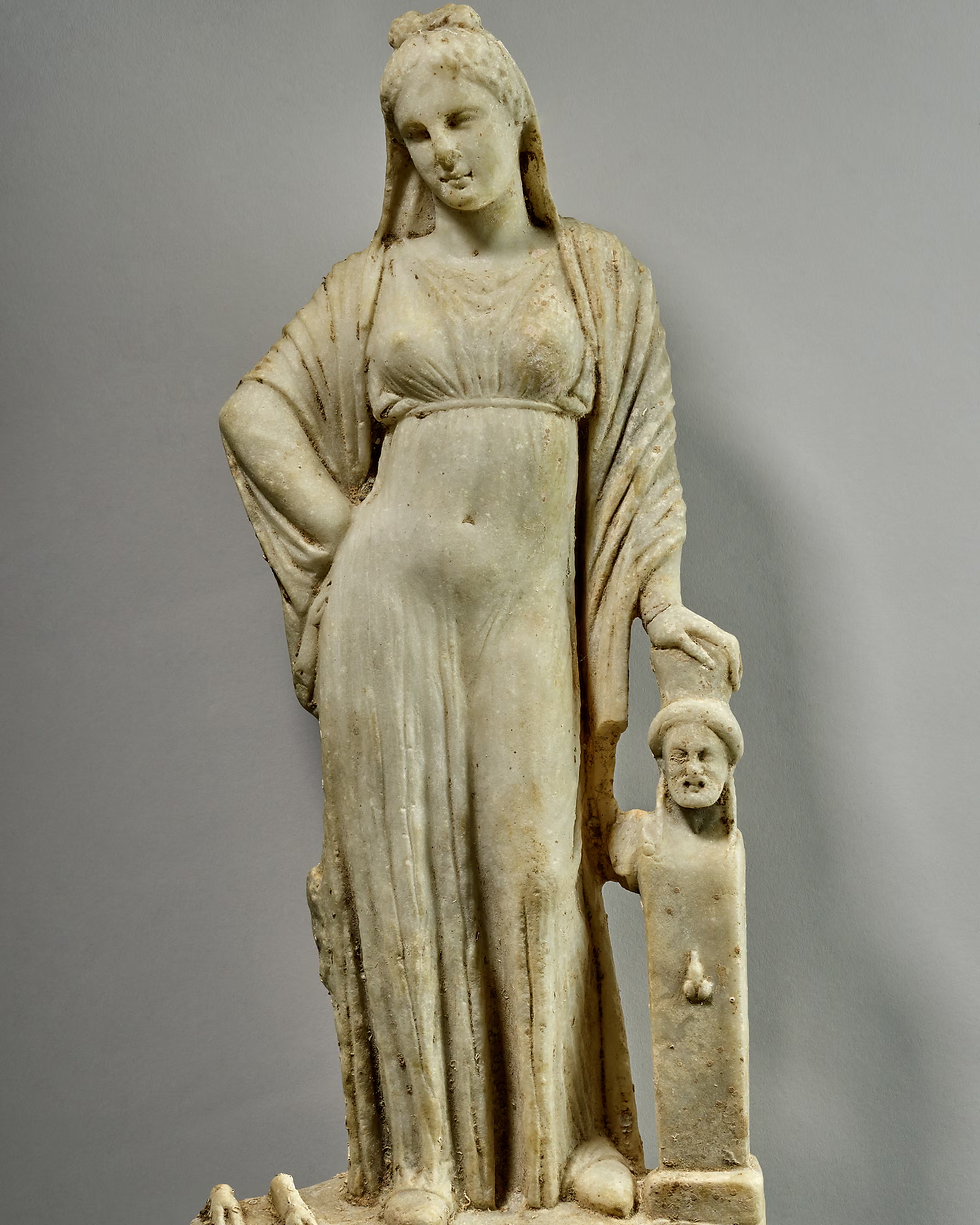
In the heart of Paris, beneath the lofty arches of the Institut du Monde Arabe, an exhibition titled Saved Treasures of Gaza: 5,000 Years of History brings into sharp, emotive focus a heritage that war and famine have threatened to erase, offering visitors a journey through layers of human civilization that stretch across Bronze Age sands, Roman rule, Byzantine art, Islamic craftsmanship, and Ottoman architecture an extraordinary testament to Gaza’s long and rich existence as a crossroads of culture and commerce. The artifacts some 130 in number were painstakingly preserved in Geneva’s Museum of Art and History after making their way out of the Gaza Strip, far from conflict, and are now reunited in this haunting, urgent showcase.
Stand before a small marble statue long thought to be Aphrodite or Hecate and feel the centuries fall away, its craftsmanship speaking of religious devotion and aesthetic grace that once echoed across a region that thrived between the Mediterranean and the desert. Nearby, a Byzantine mosaic salvaged from Abu Barqa opens out like an ancient map of human expression, a shimmering tableau of faith and artistry that survived centuries of shifting dominions and now bears silent witness to the urgency of cultural survival.
Curator Élodie Bouffard explains that the show was never meant merely to decorate walls with relics. Instead, it pivots between pride and grief, affirming Gaza’s humanity and depth long overlooked in discourse dominated by tragedy. The intention, she says, is to “give Gaza its history back” and to reclaim a narrative that is far richer than any headline of destruction.
Visitors weave through tens of centuries, tracing the arc of Gaza’s prestige as a port that minted its own currency, hosted caravans, and functioned as a powerful node between Asia, Africa, and the Mediterranean. The exhibit also includes amphorae, oil lamps, coins, funerary steles, statuettes, and architectural fragments that narrate the evolution of city life across epochs and through continuous layers of confluence and exchange.
The second part of the exhibition turns its gaze toward the ruin of time and conflict by confronting viewers with the scars of modern war. Photographs and satellite imaging from UNESCO reveal how ninety‑four known heritage sites religious buildings, archaeological locations, monuments have been damaged or lost in recent years. Among them are the Omari Mosque, the 13th‑century Pasha’s Palace, and Byzantine churches that once anchored Gaza’s community and spiritual life.
The exhibition’s pace belies the fragility it seeks to convey. Curators and designers had just four months to assemble the show after plans for a previous feature drawn from Byblos were scrapped due to regional instability. Those months birthed an exhibition that draws unprecedented crowds and even attracted President Macron as a gesture of solidarity with Gaza’s cultural memory.
Visitors pause beside whimsical bronze figurines a tiny snail and a little mouse from the Roman period, marveling that such treasures survived. Each piece offers a quiet portal into daily life and ancient domesticity even as their peaceful presence underscores the weight of cultural loss in the present. Others write heartfelt notes in the visitors’ book, voices rising in affirmation: “This allowed me to realise the richness of Gaza and the depth of its history erased by the current conflict.” “Gaza, destroyed many times, will rise again,” reads another.
This is not simply a museum experience; it is a plea for remembering that civilization persists when memory holds firm. The exhibition becomes a form of resistance against erasure, a reminder that culture is more than artifacts it is identity, continuity, vision and resilience
Organisation of Islamic Cooperation News.
As the final echoes of sandals on polished floors fade, one leaves Paris with a renewed belief in the importance of time, history, and heritage not just as distant relics but as living threads essential to our collective humanity. Gaza’s treasures may be preserved in exile, but here they are breathing again each fragment a whisper that declares: history matters, and memory endures.


Comments